We will sum up 5 root cause analysis methodologies. 5 whys What does five whys mean? The 5 Whys Root Cause Analysis is a system for understanding the cause-and-effect relationships that create our business and organizational…
The effectiveness of the corrective action can end for a lot of companies into a NCR during the audit. These companies are having trouble to not only to describe the effectiveness properly, but mainly to measure…
Why should you do quality management automation? We will sum up 5 reasons. Data consistency Automation leads to structured and consistent data which makes it easier to analyze the results. Business insight Reliable and ordered data…
The SWOT analysis is a business tool that is widely used. The introduction of chapter 4 “Context of the organisation” within the new ISO standards makes this technique applicable for management systems. Since then, it has been commonly…
The first important question to ask is why would you change to the ISO9001:2015 version. Apart from the fact that it is obligatory if you want to stay certified, it has other advantages. Integrated system Quite a…
We have summed up 5 Safety concerns within organizations. With proper safety management software, you can manage those and act on them when needed. Undertrained Employees Insufficiently trained employees endanger themselves and others. The best way…
Many quality managers are having a hard time getting support from management. The yearly management review is an opportunity to get the opinion of higher management when it comes to the management system. In that respect, it can…
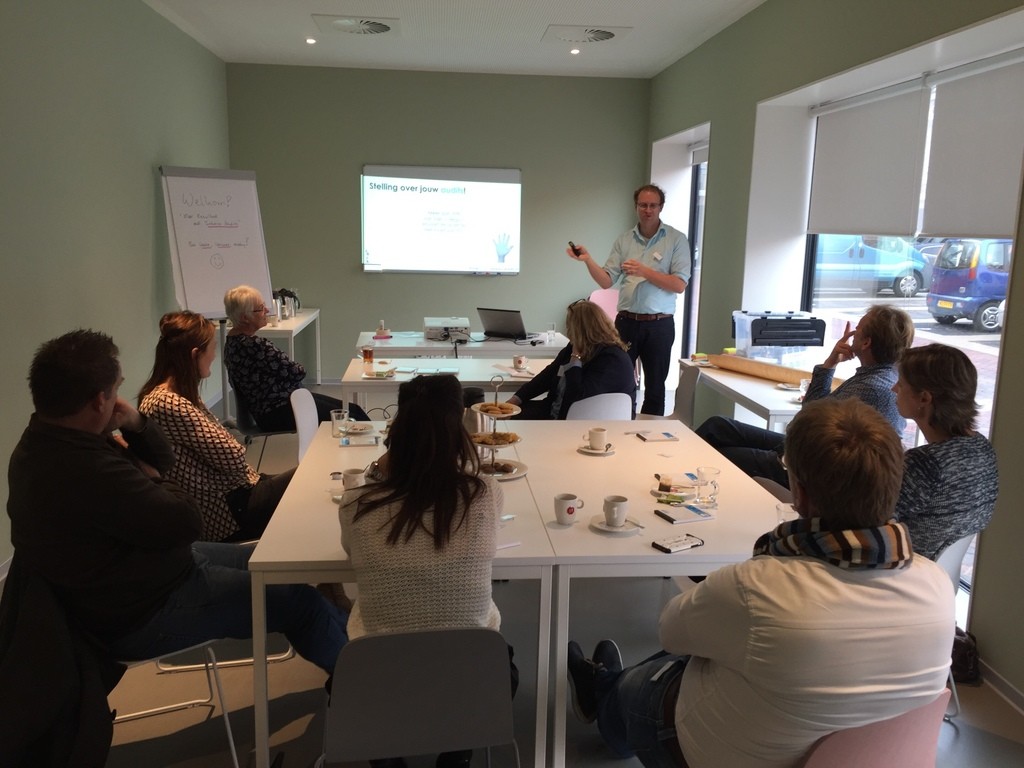
On November 3th we hosted another free Workshop “Get the most out of your Internal audit”. After the feedback of last edition we decided to create more interaction to the workshop. The presentation was shortened and…
Internal audits can be performed in so many different ways that it can become pretty tough to pick the best techniques for an internal audit. To name a few techniques: department based audit, employee based audit…
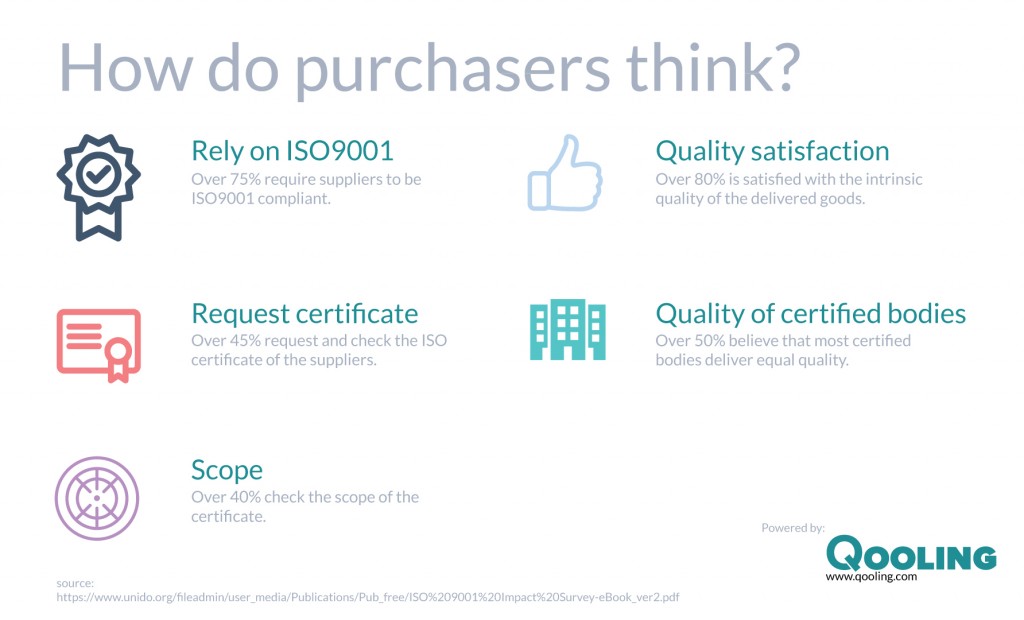
How Do Purchasers Think? Rely on ISO9001 Over 75% require suppliers to be ISO9001 compliant. Request Certificate Over 45% request and check the ISO certificate of the suppliers. Scope Over 40% check the scope of the…
Risk management is one of the basic requirements as described in the HLS (High Level Structure). This HLS applies to all standards that “are plugged into it” and the High Level Structure (HLS) of the new ISO…
5 Quality Management Challenges Organisational culture Turning the company into a continuous learning and risk aware organization. Data overload Lots of data available but no actionable information due to a lack of structure. Setting ambiguous KPI's…
A question often asked is “Why would we want to use a dedicated digital solution for our quality and safety activities while Office and an intranet are working just fine?”. It indeed might work just fine,…
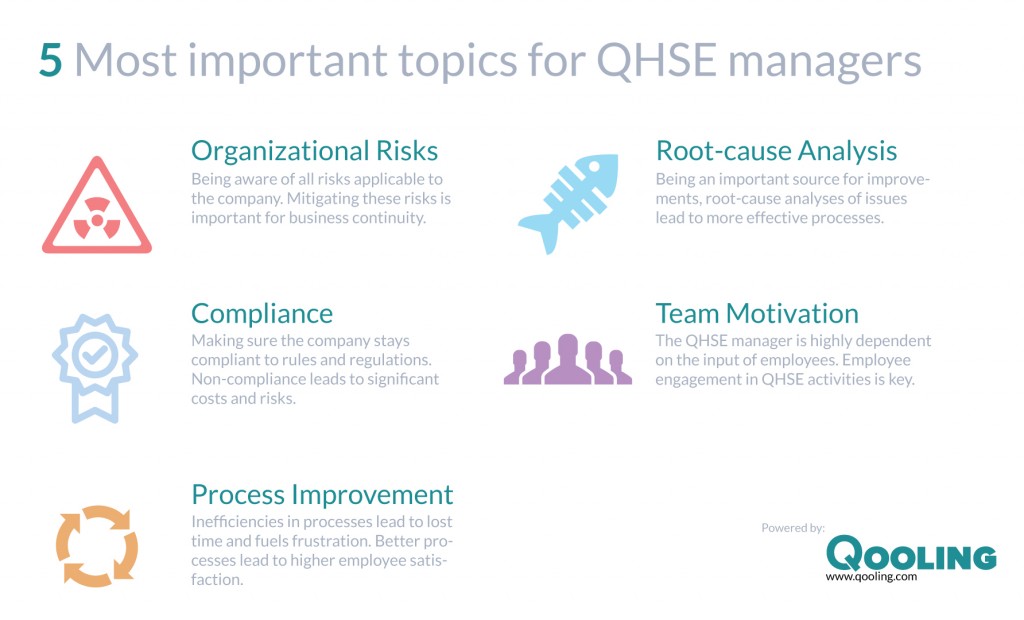
5 Most Important Topics For QHSE Managers Organizational risks Being aware of all risks applicable to the company. Mitigating these risks is important for the business continuity. Compliance Making sure the company stays compliant to rules…
The non conformance report: what’s in it for me? In a previous blog post we gave a few tips on when to write an NCR. However, a lot of employees still don’t write an NCR (non…
Proper training is crucial when it comes to creating and maintaining an effective management system. Putting changes to processes on paper is easy but getting these new insights to employees is a different story. Eventually, they…
Tuesday, the 12th of April, we successfully organised our first event together with ProcesDoen! The event was hosted at the inspirational location YesDelft!, the incubator of the Delft University of Technology. The workshop was a big success…
Certifications are often a result of customer demands, rather than a company necessity. Using certifications, like ISO9001,(management system) as a selling point, is rather a mere formality and is being utilised by more companies today. By…
Over the past months we have seen the introduction of the new ISO9001:2015 standard. To comply with this new standard we applied a strategy to introduce risk based thinking throughout the organisation with one of our…